
Two new challenges facing our restaurants

Two new challenges facing our restaurants
Good morning,
For decades, international graduates of U.S. colleges and universities have been able to stay in the country for at least a year to gain work experience in their fields.
Now that opportunity is in jeopardy.
The Trump administration wants to charge universities $70,000 for each student entering the Optional Practical Training (OPT) program, plus another $30,000 for an extension, according to the American Immigration Council.
That could cost universities up to $4 billion annually in lost revenue, according to
Johns Hopkins economist Michael Clemens.
It could also raise tuition for American kids. International students generally pay more, helping subsidize the cost of educating domestic students.
Expect this to be part of the conversation during our higher ed panel at our Fall Business Breakfast on Nov. 13.
Reserve your seat before the price increases next week.
We now know Google’s Watertown plans
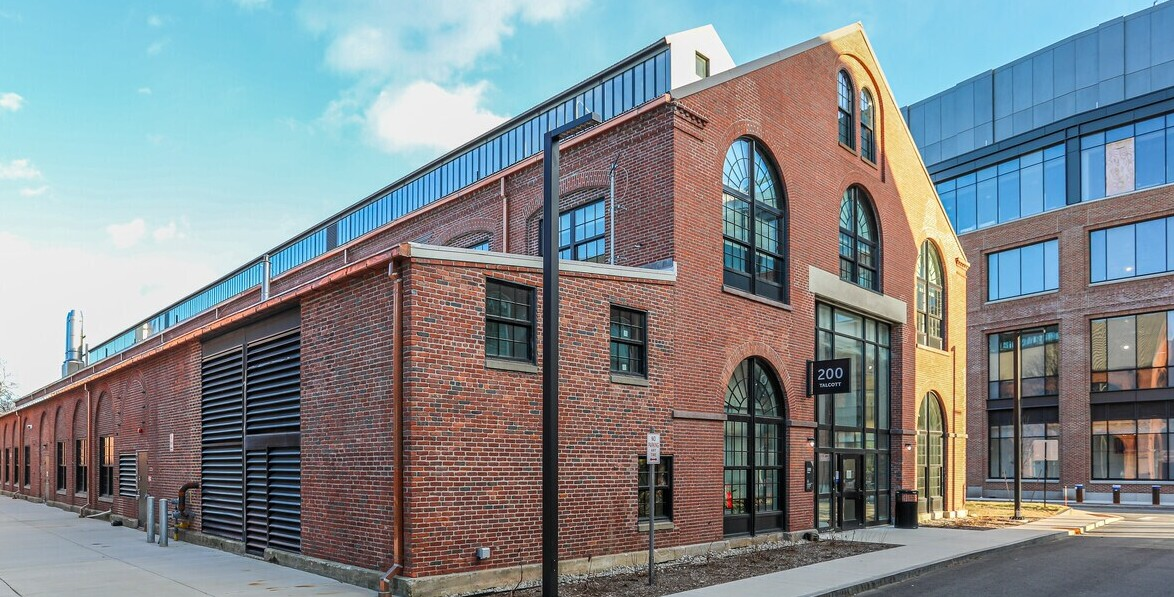
A little over a month ago, Sam Ghilardi at Watertown Bio broke the news that Google had signed a lease for 35,000 SF at Arsenal on the Charles in Watertown.
Now the tech giant’s parent company Alphabet has revealed its plans for the space.
The company is building a robotics lab for Google DeepMind, its artificial intelligence research and development division, the Globe's Yogev Toby reports.
Watertown City Manager George Proakis told Toby he was “thrilled to welcome” Google. “This is an exciting time for Watertown, where companies, big and small, are coming to thrive in our community.”
The lab at 200 Talcott Ave. is expected to be ready in 2027. And DeepMind is hiring.
Ozempic’s other side effect
GLP-1s have been extraordinarily beneficial for millions of people.
But they’re also creating a new challenge for restaurateurs.
Customers using Ozempic, Wegovy, Zepbound and similar medications are eating less while seeking more protein-packed meals, reports Julie Creswell at the New York Times. (gift link)
Chamber restaurant owners tell me they’re seeing more customers sharing a single appetizer and entree.
A Newton restaurant well known for its burgers now serves more protein-topped salads. Others report more requests for takeout containers (at the time the customer places their order) and fewer orders for desserts and drinks.
One in five Americans reported having taken a GLP-1 for weight loss or a chronic condition at some point, while nearly half of GLP-1 users told the National Restaurant Association they’ve cut back on dining out.
Big chains are taking notice. For example, Burger King is testing Whopper Bites and protein-forward bowls.
Fortunately, independent restaurants are nimbler and can often adjust to changing consumer habits quickly.
That’s the good news. On the other hand, requests for more protein (GLP-1s can reduce muscle mass) can be expensive. Especially with beef prices at record highs.
And smaller appetites are one thing. Smaller margins are another.
Restaurants have little room to absorb another hit. Wages are up 41% since February 2020. Wholesale food prices are up 35%. And one-third of restaurants said they were unprofitable in the first half of this year.
Another thing restaurants have to worry about
Restaurant owners are already juggle food costs, tariffs, staffing, rent and, yes, changing appetites.
Now add grease thieves.
Used cooking oil can be recycled into biodiesel, so a black market has emerged.
It’s become a multi-million dollar problem, with recent thefts from used grease storage tanks reported in Beverly, Shrewsbury and Hampton, N.H, NBC Boston reports.
Friday grab bag
- Early voting starts this weekend. The Charles River Regional Chamber recommends a YES vote on Question 7 (starter homes) and a NO vote on Question 8 (repeal recreational marijuana).
- A new Massachusetts Taxpayers Foundation report clearly explains and evaluates four upcoming federal policy deadlines that require state action: Medicaid work requirements, SNAP cost sharing, supportive housing restrictions and whether the state should to opt into the Federal Scholarship Tax Credit program.
- Chestnut Hill Realty has put Beacon Fairbanks Manor, a 56-unit apartment building in Brookline on the market.
- Wellesley’s Southwestern-Mexican fusion-style restaurant, Lockheart Restaurant, has opened its second location in the historic Newton Centre MBTA station. (BC Heights)
- The Needham Observer has an update on Fox and Hound Properties plans for a mixed-use development on long-vacant site at Highland and First Avenues (formerly Acapulcos). The developer hopes to include a restaurant with a patio, a fast-casual dining experience, a boutique retail sales shop and a technology retailer.
- The Massachusetts Permanent Commission on the Status of Persons with Disabilities named Eastern Bank its 2026 Large Organization Honoree, citing its employee-led Diverse Abilities Group. Eastern was also named a World’s Top Disability Inclusive Business for the third straight year.
- Babson Greenworks will host the Greater Needham-Wellesley Sustainability Summit, "Rooted Together: Ecology, Community, Resilience," at Babson College's Olin Hall in Wellesley on Nov. 6, 12 to 5 p.m.
- Horizons for Homeless Children is looking for volunteers to visit family shelters to play with and support children experiencing homelessness.
- Merida Biosciences, the Cambridge biotech that recently agreed to be acquired by Eli Lilly, is subleasing office and lab space at 200 Arsenal Yards Blvd. in Watertown. (BBJ)
- Looking for a way to support the chamber’s advocacy and programming but you don’t work locally — or perhaps you’re retired — but want to stay connected with the business community in your own backyard? Become a Citizen Member.
RIP Wellesley RIO
Last spring, Wellesley Town Meeting considered a proposal to restrict the Residential Incentive Overlay (RIO) bylaw, a zoning tool designed to encourage multi-family housing.
Instead, members voted to eliminate it altogether.
Now the Attorney General’s Office has approved the move. The result is something increasingly rare these days: downzoning, or reducing what property owners can build on their land.
Residents frustrated by larger housing proposals cheered the vote (2:03:53). Others warned it would limit new housing (2:51:09).
The AG signed off despite objections that property owners weren’t properly notified their development rights could be reduced.
Swellesley Report has more.
Turtle Lane: A tragedy in too many acts

Finally, the star-crossed site that once housed the charming Turtle Lane Playhouse in Auburndale could be the poster child for everything that can go wrong when redeveloping a property.
The theater closed in 2013. Since then, plans for the site have cycled through a rotating cast of proposals including housing, a restaurant, office space and a renovated theater.
What followed has been a 13-year intermission, stalled by Newton City Council delays, building defects, permitting violations, a stop work order, a foreclosure, bankruptcy and several postponed auctions.
There will be yet another attempt to stage an auction next Thursday (Oct. 22) after the site was deemed abandoned by a bankruptcy court judge, reports Grant Welker at the BBJ.
Until then, you may want to hold your applause.
That’s what you need to know for today, unless you need to know why the winners of this weekend’s Head of the Charles Regatta may not want to toss their coxswains into the river.
Be back next week.
Let us know how we can help your business thrive.
President & CEO
Charles River Regional Chamber
617.244.1688
Max Woolf contributed to today’s newsletter.